Why Removing Bird Nests from Your Ductwork Is Essential for Your Home's Safety
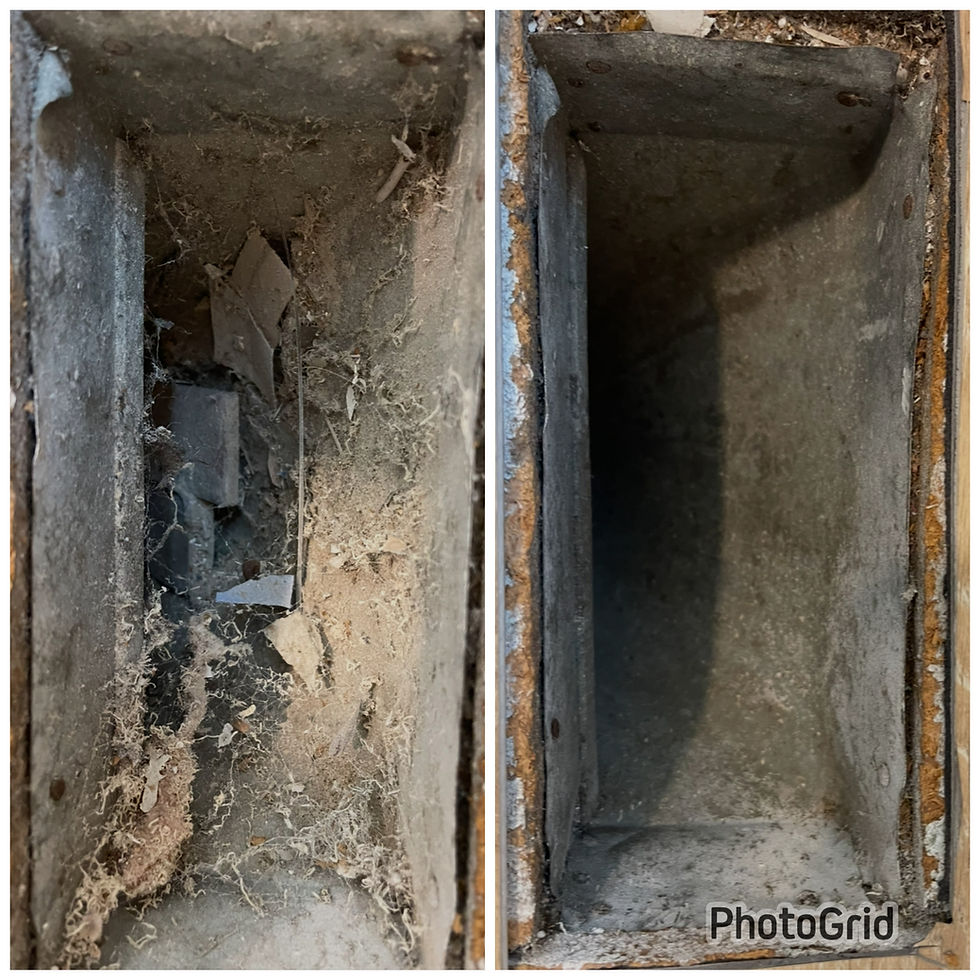
Birds often look for warm, sheltered places to build their nests, and your home's exterior vents can be the perfect location. Bathroom exhaust vents, dryer vents, and other exterior duct openings are common entry points for birds and small animals. While a nest may seem harmless, it can quickly become a serious safety and ventilation issue.
At Wake Forest Duct Cleaning, we regularly remove bird nests from ductwork and help homeowners restore proper airflow while preventing costly damage to their homes.
Why Do Birds Build Nests in Vents?
Exterior vent openings provide birds with warmth, protection from predators, and an ideal place to raise their young. If a vent cap is damaged, missing, or doesn't have proper protection, birds can easily enter and build a nest inside the ductwork.
Unfortunately, what feels like a safe home for birds can become a major problem for homeowners.
Problems Bird Nests Can Cause
Fire Hazards
Bird nests are made of dry twigs, grass, feathers, and other highly flammable materials. When a nest blocks a dryer vent, lint can accumulate behind it, creating a dangerous fire hazard. Restricted airflow also causes the dryer to overheat, further increasing the risk of a fire.
Blocked Airflow
A nest inside any vent restricts airflow, preventing your home's ventilation systems from working properly.
This can cause:
Longer dryer cycles
Poor bathroom fan performance
Excess moisture inside the home
Higher energy bills
Reduced HVAC efficiency
Moisture and Mold
Bathroom exhaust fans are designed to remove humidity from your home. If a bird nest blocks the vent, moisture remains trapped inside, creating conditions that can lead to mold growth, mildew, peeling paint, and wood damage.
Damage to Your Vent System
Birds can damage vent caps, ductwork, and insulation while building nests. Over time, this damage may require repairs or replacement of sections of the vent system.
Unpleasant Odors and Unsanitary Conditions
Bird nests often contain feathers, droppings, parasites, and other debris. If a bird becomes trapped or dies inside the vent, unpleasant odors and bacteria can spread throughout the ventilation system.
Signs You May Have a Bird Nest in Your Vent
You may need a professional inspection if you notice:
Birds frequently flying to and from an exterior vent
Twigs or nesting material sticking out of the vent
Clothes taking longer to dry
Weak airflow from your bathroom exhaust fan
Unusual chirping sounds inside the walls
Musty or foul odors near vents
Visible damage to the exterior vent cap
The sooner a nest is removed, the less likely it is to cause damage or create a safety hazard.
Why Professional Removal Matters
Removing a bird nest isn't as simple as pulling debris from the vent opening. Nests can extend deep inside the ductwork, and attempting to remove them yourself may damage the vent or leave debris behind that continues to restrict airflow.
At Wake Forest Duct Cleaning, we safely remove bird nests, inspect the entire vent system for damage, restore proper airflow, and ensure your ventilation system is operating safely. We can also install protective vent cages or guards to help prevent birds and other wildlife from returning.
Protect Your Home with Wake Forest Duct Cleaning
Bird nests inside your ductwork are more than just an inconvenience—they can create serious fire hazards, reduce your home's ventilation, increase energy costs, and cause expensive damage if left untreated.
If you've noticed birds around your exterior vents or suspect a blockage, don't wait until it becomes a bigger problem. Contact Wake Forest Duct Cleaning for a professional inspection and nest removal. We'll restore safe airflow, protect your home, and help keep unwanted wildlife out of your ductwork for good.


Comments