Why Cleaning Your HVAC Air Filters Is One of the Most Important Things You Can Do for Your Home
Your HVAC system is one of the hardest-working appliances in your home. It keeps you comfortable year-round by heating and cooling your living space, but it relies on one simple component to protect it: the air filter.
Many homeowners forget to replace or clean their HVAC air filters, thinking it's a minor maintenance task. In reality, a dirty air filter can reduce your indoor air quality, increase your utility bills, and even lead to costly HVAC repairs or complete system failure.
What Does an HVAC Air Filter Do?
Your HVAC air filter traps dust, dirt, pet dander, pollen, lint, and other airborne particles before they enter your heating and cooling system. This helps:
Protect the blower motor and evaporator coil from dirt buildup.
Improve the air your family breathes.
Keep your HVAC system operating efficiently.
Extend the lifespan of your heating and cooling equipment.
Without a clean filter, all of that debris begins circulating through your HVAC system and throughout your home.
What Happens When an Air Filter Gets Dirty?
As the filter fills with dust and debris, it becomes harder for air to pass through. Your HVAC system has to work much harder to move the same amount of air.
This restricted airflow can lead to several problems, including:
Higher Energy Bills
When airflow is blocked, your furnace or air conditioner runs longer to reach the desired temperature. The extra runtime means higher electricity or gas usage, which can significantly increase your monthly utility bills.
Reduced Heating and Cooling Performance
Have you noticed certain rooms feeling warmer or colder than others? A clogged air filter can reduce airflow throughout your ductwork, making it difficult for your HVAC system to maintain consistent temperatures.
Frozen Air Conditioner Coils
Restricted airflow can cause your evaporator coil to become too cold and freeze over during the summer. Once frozen, your air conditioner may stop cooling altogether and require professional service.
Overheated Furnace Components
During the heating season, poor airflow can cause your furnace to overheat. Many furnaces will shut themselves off as a safety precaution, but repeated overheating can damage expensive internal components.
Blower Motor Damage
The blower motor is responsible for moving air through your home. When airflow is restricted, the motor works much harder than it was designed to, increasing wear and potentially leading to premature failure. Replacing a blower motor can cost hundreds—or even thousands—of dollars.
Dirty Evaporator Coil
A clogged filter allows fine dust to accumulate on the evaporator coil. Once coated with dirt, the coil loses efficiency and may require professional cleaning. In severe cases, the coil may need to be replaced.
Poor Indoor Air Quality
A dirty air filter doesn't just affect your HVAC system—it also affects your health.
When the filter becomes overloaded, it loses its ability to capture airborne contaminants. Dust, pollen, mold spores, and pet dander can circulate throughout your home, which may contribute to:
Allergy symptoms
Asthma flare-ups
Increased dust buildup
Unpleasant odors
Poor indoor air quality
For families with children, elderly individuals, or anyone with respiratory conditions, regularly replacing the air filter is especially important.
How Often Should You Replace Your Air Filter?
The ideal replacement schedule depends on your home and lifestyle.
Every 30 Days
Homes with multiple pets
Allergy sufferers
Homes with heavy dust or ongoing construction
Every 60 Days
Average households with one pet
Most standard residential homes
Every 90 Days
Homes with no pets
Vacation homes
Light HVAC usage
If you're unsure, simply inspect your filter once a month. If it appears gray, dusty, or clogged, it's time for a replacement.
Signs Your Air Filter Needs Replacing
Watch for these common warning signs:
Weak airflow from your vents
Increased dust around your home
Higher energy bills
HVAC system running longer than usual
Uneven temperatures throughout the house
Dirty or discolored filter
Increased allergy symptoms indoors
A Small Investment That Prevents Expensive Repairs
Replacing an HVAC air filter typically costs between $10 and $40, depending on the size and type of filter. Compare that to the cost of major HVAC repairs:
Blower motor replacement: $500–$2,000+
Evaporator coil replacement: $1,200–$3,000+
Complete HVAC system replacement: $6,000–$15,000+
A few minutes of maintenance every couple of months can save you thousands of dollars over the life of your HVAC system.
Keep Your HVAC System Running Its Best
Regular filter replacement is one of the easiest and most cost-effective ways to protect your home's heating and cooling system. Clean filters improve airflow, lower energy costs, reduce wear on expensive components, and help your family breathe cleaner air.
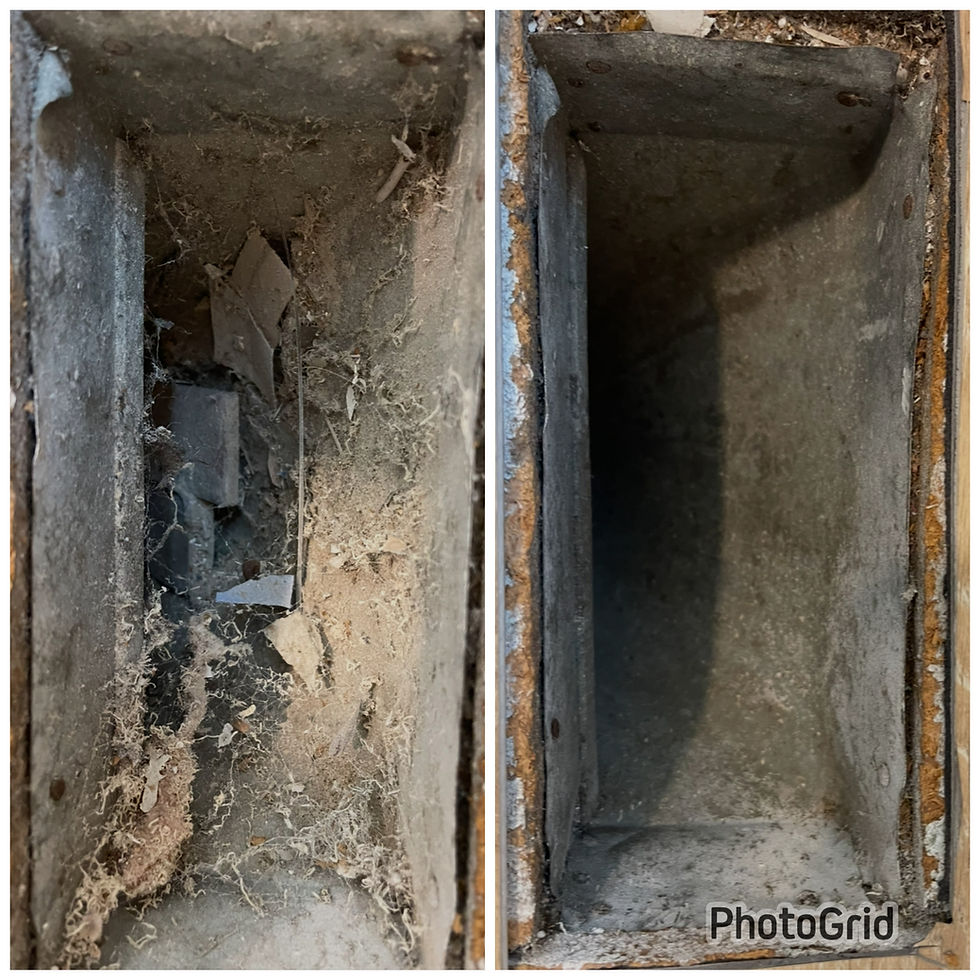
While replacing your filter is essential, your air ducts also benefit from periodic professional cleaning. Dust, debris, pet hair, and other contaminants can accumulate inside your ductwork over time, reducing indoor air quality and circulating unwanted particles throughout your home.
Schedule Professional Air Duct Cleaning
At Wake Forest Duct Cleaning, we help homeowners improve indoor air quality and keep their HVAC systems operating efficiently. Our professional air duct cleaning services remove years of accumulated dust and debris from your ductwork, helping your heating and cooling system perform at its best.
If it's been several years since your last duct cleaning—or you've recently completed a renovation, moved into a new home, or noticed excessive dust—we're here to help.
Contact Wake Forest Duct Cleaning today to schedule your professional air duct cleaning and breathe cleaner, healthier air.


Comments