Why Cleaning Your Dryer's Lint Filter Isn't Enough
Most homeowners know they're supposed to clean the lint filter after every load of laundry. It's one of the simplest household maintenance tasks, and it plays an important role in dryer safety and performance.
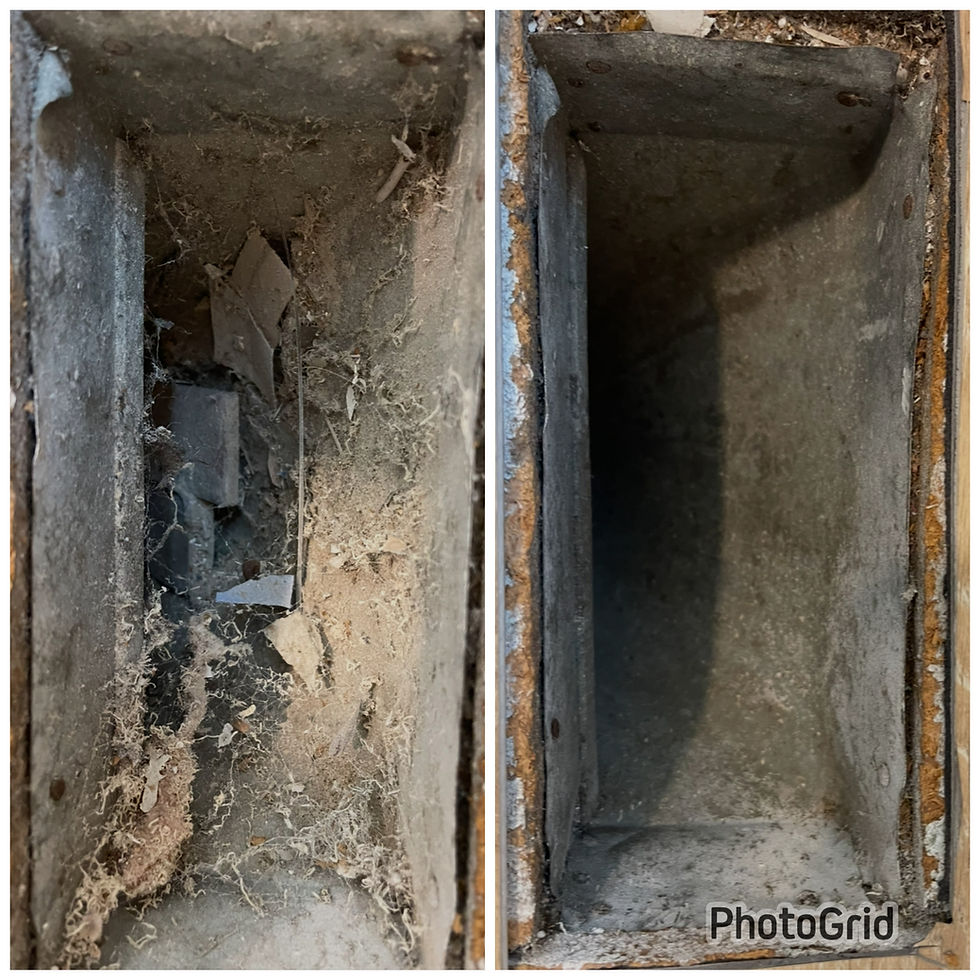
However, many people don't realize that cleaning the lint filter alone doesn't remove all of the lint produced during the drying process. Every time you run your dryer, thousands of tiny lint particles escape the filter and travel through your dryer vent system. Over time, this hidden buildup can become a serious fire hazard and reduce your dryer's efficiency.
How Does Lint Get Past the Filter?
Your dryer's lint screen is designed to catch the majority of lint created while drying clothes—but it doesn't catch everything.
The mesh on the filter contains tiny openings that allow air to flow through the dryer. While larger lint fibers are trapped, microscopic lint particles and fine fabric dust are carried by the airflow through these openings and into the dryer vent.
Each load only allows a small amount of lint to escape, but after hundreds of loads, those particles begin sticking to the inside of the vent pipe.
Where Does the Escaped Lint Go?
Once lint passes through the filter, it travels through several parts of your dryer system:
Inside the dryer cabinet
Around the blower wheel
Through the transition hose
Inside the dryer vent pipe
Toward the exterior vent cap
As lint accumulates, the vent becomes narrower, making it harder for hot, moist air to escape.
Why Lint Buildup Is Dangerous
A clogged dryer vent is more than just an inconvenience—it can become a significant safety hazard.
Increased Fire Risk
Lint is extremely flammable. When it builds up inside the vent and hot air can't escape properly, temperatures inside the dryer increase dramatically. According to the U.S. Fire Administration, failure to clean dryers and dryer vents is one of the leading causes of residential dryer fires.
Longer Drying Times
If your clothes are taking two or three cycles to dry, restricted airflow is often the culprit. A clogged vent prevents moisture from leaving the dryer, forcing it to run longer.
Higher Energy Bills
Longer drying cycles mean your dryer uses more electricity or gas. Over time, this extra energy use can noticeably increase your utility costs.
Premature Dryer Wear
When airflow is restricted, the dryer has to work much harder to dry each load. Components such as the heating element, blower motor, thermostats, and thermal fuse experience additional stress, which can lead to costly repairs or shorten the life of the appliance.
Mold and Moisture Problems
A blocked dryer vent can trap warm, humid air inside the vent system or laundry room. Excess moisture can contribute to mold growth, mildew, and unpleasant odors.
Signs Your Dryer Vent May Be Clogged
Your dryer may be telling you it's time for a professional cleaning if you notice:
Clothes take longer than normal to dry.
The dryer feels unusually hot after a cycle.
The laundry room becomes hot and humid.
A burning smell while the dryer is running.
Excess lint around the dryer or outside vent.
The outside vent flap doesn't fully open during operation.
It's been more than a year since the vent was professionally cleaned.
Cleaning the Lint Filter Is Only the First Step
Cleaning the lint screen after every load is one of the best habits you can have, but it only removes the lint trapped on the screen. The fine particles that escape continue building up inside the dryer vent with every load you dry.
That's why manufacturers and fire safety experts recommend periodic dryer vent cleaning to remove hidden lint buildup and restore proper airflow.
Protect Your Home and Your Dryer
A clean dryer vent helps your dryer run more efficiently, reduces drying times, lowers energy costs, and most importantly, helps reduce the risk of a dryer fire.
At Wake Forest Duct Cleaning, we provide professional dryer vent cleaning services that remove accumulated lint from the entire vent system—not just the lint you can see. We inspect the vent from the dryer to the exterior termination, helping ensure your system is clean, safe, and operating at peak performance.
If it's been over a year since your last dryer vent cleaning, or you've noticed longer drying times, now is the perfect time to schedule service.
Contact Wake Forest Duct Cleaning today and let us help keep your home safer, your dryer more efficient, and your laundry routine running smoothly.


Comments