Homeowner HVAC Tips #2: How Often Should You Change Your HVAC Air Filter?
- sterling ham
- 7 days ago
- 4 min read
Your HVAC air filter is one of the simplest—and most important—parts of your heating and cooling system. A clean filter protects your HVAC equipment, improves indoor air quality, and helps your system operate efficiently year-round.
One of the most common questions we hear at Wake Forest Duct Cleaning is:
"How often should I change my HVAC air filter?"
The answer depends on your home, your HVAC system, and your lifestyle.
General Air Filter Replacement Guidelines
As a general rule:
1-inch filters: Replace every 30–90 days depending on your home's conditions.
4–5-inch media filters: Inspect every 3–6 months. While many manufacturers recommend replacing these filters every 6–12 months, we recommend checking them much more frequently. In our experience, these thicker filters can still collect a significant amount of dust and debris, especially in homes with pets, allergies, or heavy HVAC use. If your filter is reusable, clean it according to the manufacturer's instructions. If it's disposable, replace it whenever it becomes visibly dirty or reaches the manufacturer's recommended replacement interval.
No matter what type of filter you use, we recommend giving it a quick visual inspection every month. It only takes a few seconds and can help prevent airflow problems before they start.
Replace or Inspect Your Filter More Frequently If You Have:
Pets that shed hair or dander
Family members with allergies or asthma
Young children or elderly family members
A home that's occupied most of the day
Recent remodeling or construction
Multiple pets
A home near active construction or heavy pollen
These conditions cause filters to load with dust much faster than the average home.
What Happens If You Don't Change Your Filter?
A dirty air filter doesn't just affect your HVAC system—it affects your entire home.
A clogged filter can lead to:
Reduced airflow
Higher energy bills
Longer heating and cooling cycles
Uneven temperatures between rooms
More dust circulating throughout your home
Increased wear and tear on your HVAC equipment
In severe cases, a neglected filter can contribute to frozen evaporator coils, overheating, or premature HVAC system failure.
Replacing or maintaining your air filter is one of the easiest and most affordable ways to help protect your heating and cooling system.
Can the Wrong Filter Cause Problems?
Yes.
Many homeowners assume that buying the highest-rated filter available is always the best option. However, using a filter with a very high MERV rating can restrict airflow if your HVAC system isn't designed for it.
The best air filter is one that provides a balance between:
Good indoor air quality
Proper airflow
HVAC efficiency
For most homes, a MERV 8 to MERV 11 filter offers excellent filtration while allowing proper airflow. If you're unsure which filter is right for your system, we're happy to help.
Signs It's Time to Replace Your Air Filter
Your filter may need attention if you notice:
The filter appears gray, dusty, or clogged.
Dust is collecting around your supply vents.
Your home feels dustier than normal.
Your HVAC system seems to run longer than usual.
Certain rooms aren't heating or cooling properly.
Your energy bills have increased.
You haven't checked the filter in several months.
Even if your filter doesn't look completely dirty, regular inspections help ensure your HVAC system continues operating efficiently.
How Air Filters Improve Indoor Air Quality
Your HVAC filter captures many of the airborne particles that circulate throughout your home, including:
Dust
Pet dander
Pollen
Lint
Mold spores
Other airborne debris
As the filter fills with contaminants, its ability to trap additional particles decreases. Keeping your filter clean helps your HVAC system deliver cleaner air throughout your home.
Air Filters Don't Replace Air Duct Cleaning
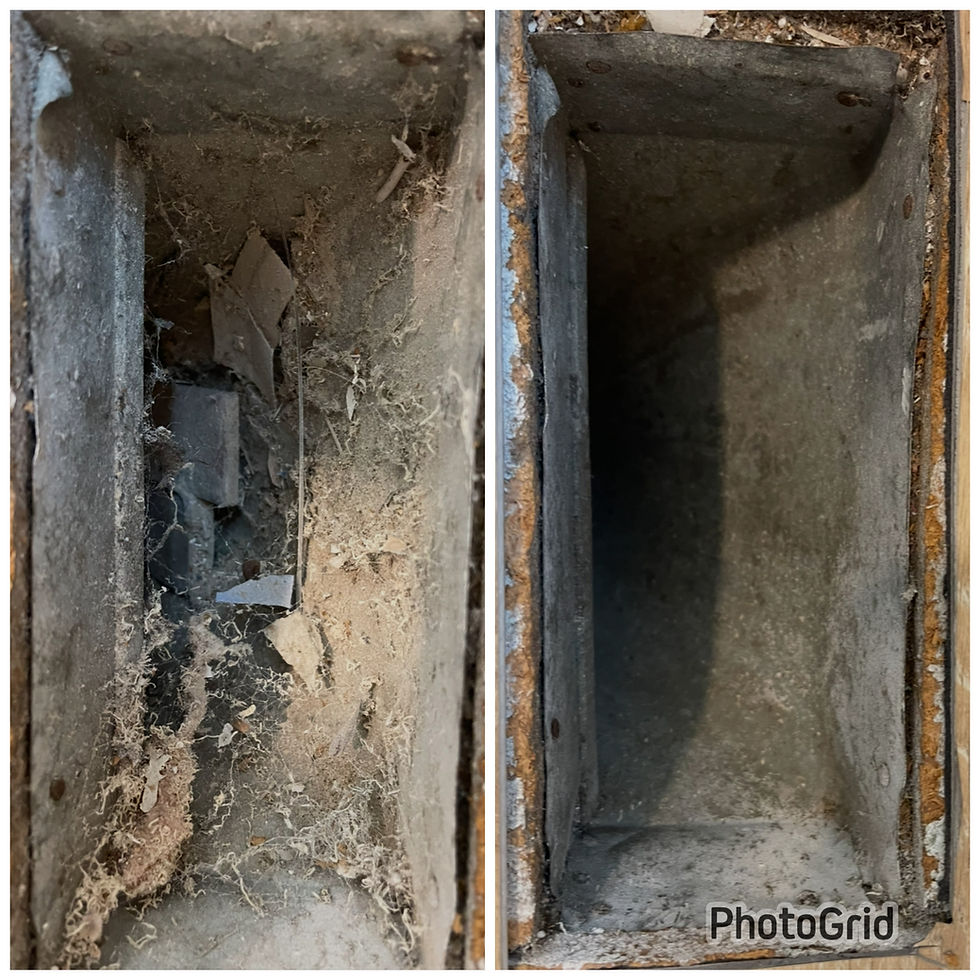
While your HVAC filter captures airborne particles, it can't remove years of dust and debris that may already be inside your ductwork.
If your home has never had its air ducts professionally cleaned—or if you've recently completed a renovation, have pets, or notice excessive dust—it may be time for a professional duct cleaning.
At Wake Forest Duct Cleaning, we often find years of accumulated debris inside residential duct systems that standard air filters simply can't remove.
How Wake Forest Duct Cleaning Can Help
We do more than just clean air ducts.
Our services include:
Professional Air Duct Cleaning
Dryer Vent Cleaning
Duct Sealing with Mastic
HVAC Airflow Inspections
Air Filter Recommendations
Indoor Air Quality Solutions
Our goal is to help homeowners improve airflow, reduce dust, increase HVAC efficiency, and create a healthier indoor environment.
Frequently Asked Questions
Which MERV rating is best for my home?
For most homes, MERV 8 to MERV 11 provides an excellent balance between filtration and airflow. Homes with allergy sufferers may benefit from a higher MERV rating if the HVAC system is designed to handle it.
Can I vacuum my disposable air filter instead of replacing it?
No. Disposable air filters are designed for one-time use. Vacuuming them may remove some surface dust, but it won't restore their filtering performance.
Is it okay to run my HVAC system without a filter?
No. Running your HVAC system without a filter allows dust and debris to accumulate inside the equipment, which can reduce efficiency and lead to costly repairs.
How often should I check my air filter?
We recommend checking your air filter once a month, regardless of its thickness. A quick inspection can help you identify a dirty filter before it begins restricting airflow or affecting your indoor air quality.
Schedule Your HVAC Inspection
Whether you need help selecting the right air filter, improving your home's airflow, or scheduling a professional air duct or dryer vent cleaning, Wake Forest Duct Cleaning is here to help.
We proudly serve Wake Forest, Youngsville, Rolesville, Franklinton, Louisburg, Creedmoor, Wilson, North Raleigh, and surrounding communities.
Call: 984-789-2267
Breathe Cleaner.



Comments